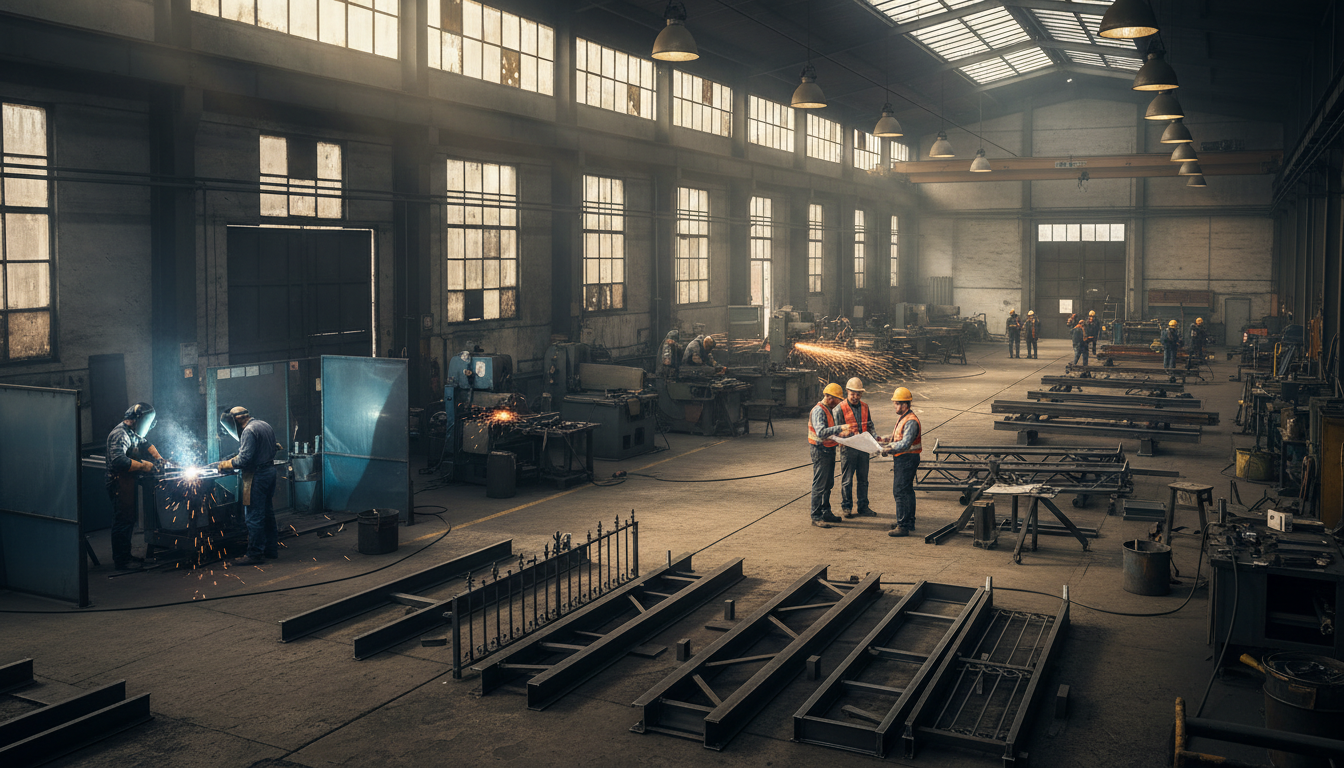
The Impact of Weather on Metalworking Projects in North Rhine-Westphalia
RR
Understanding the Climate of North Rhine-Westphalia
The climate in North Rhine-Westphalia (NRW) plays a significant role in the planning and execution of metalworking projects. Known for its temperate weather, NRW experiences a blend of maritime and continental influences, which can impact various stages of metal processing. Understanding these climatic conditions is crucial for project success.
Temperature Fluctuations and Their Effects
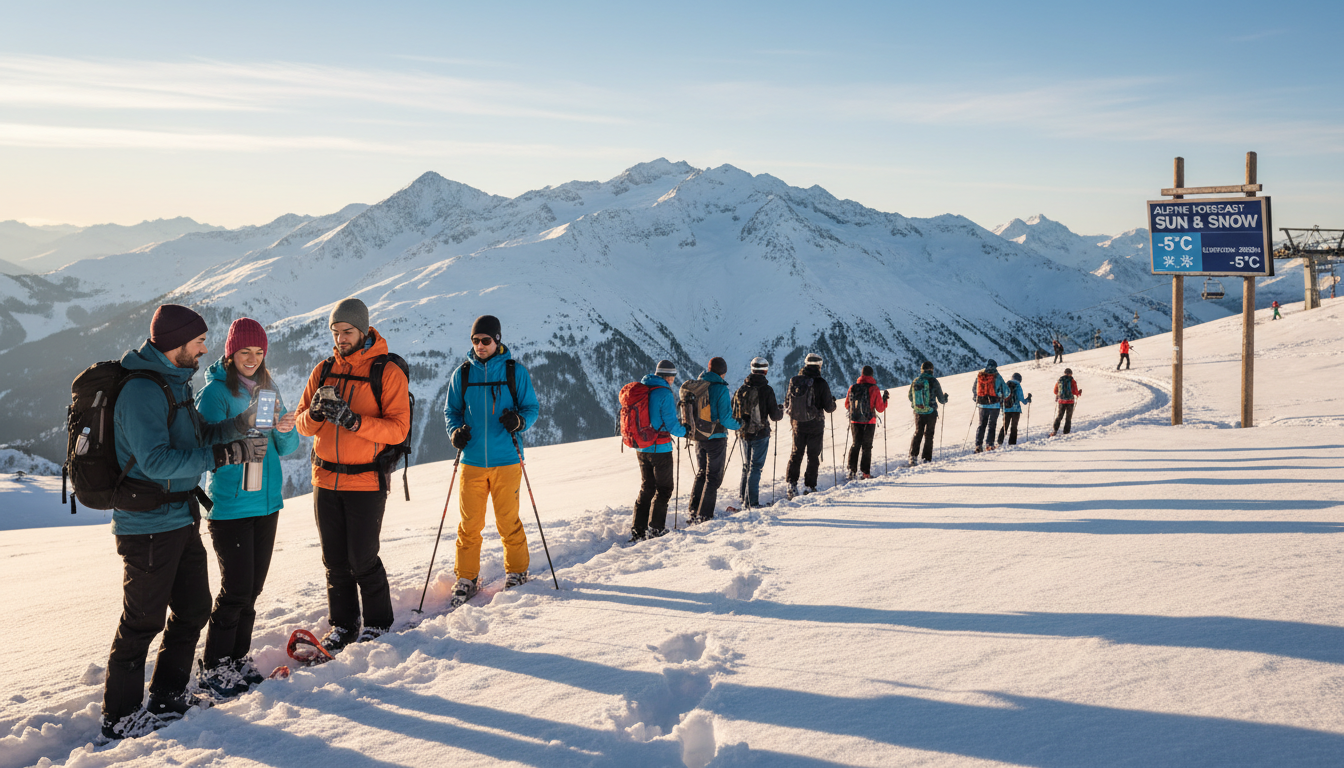
Temperature changes can affect the properties of metals, leading to potential challenges in metalworking. During colder months, metals may become brittle, while warmer temperatures can lead to expansion. These variations necessitate careful planning and material selection to ensure structural integrity.
Moreover, extreme temperatures can influence the efficiency of machinery and tools. Metalworking equipment may require adjustments or specific cooling systems to function optimally, especially during heatwaves or cold snaps.
Humidity and Corrosion Concerns
Humidity is another critical factor in NRW, as high moisture levels can accelerate corrosion in metals. This is particularly relevant for outdoor metalworking projects or storage of materials. Implementing protective coatings and proper storage solutions can mitigate these risks.
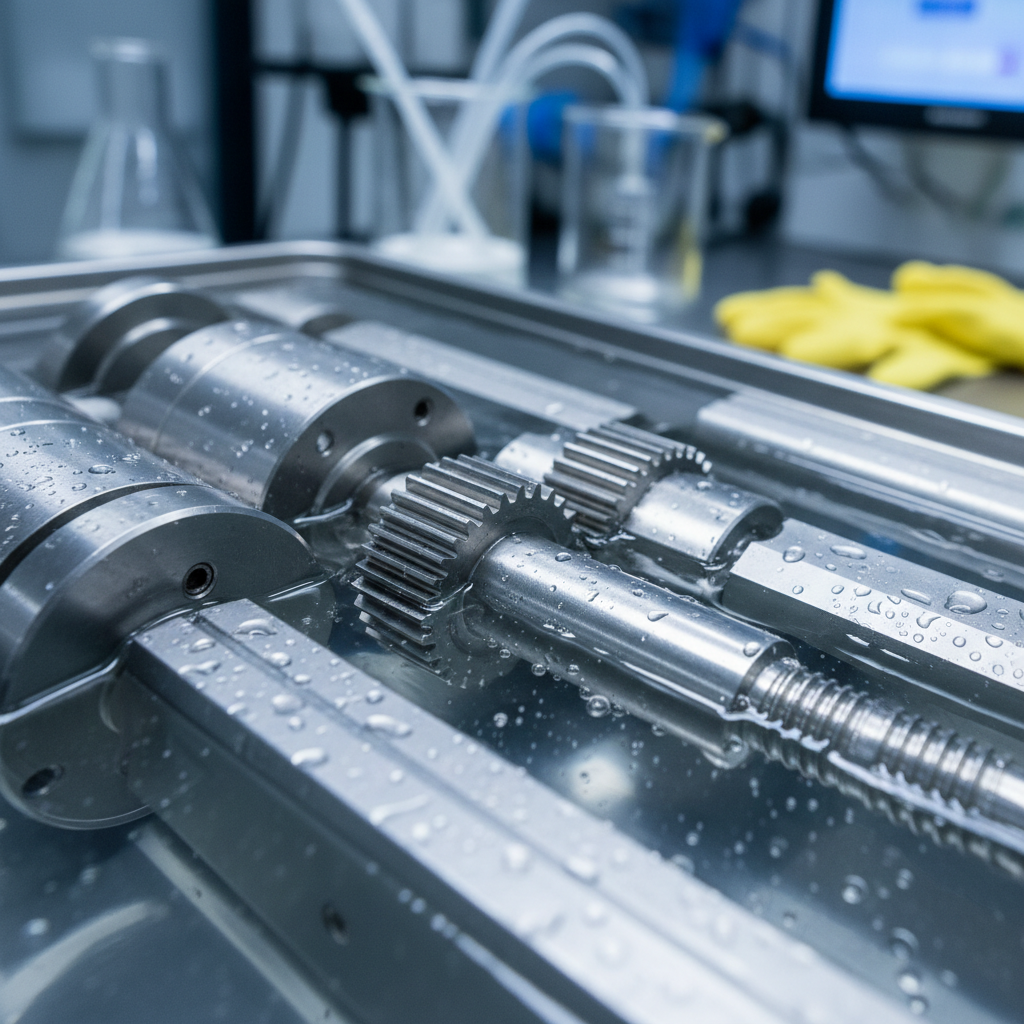
Regular maintenance checks are essential to prevent rust and other forms of deterioration. By monitoring humidity levels and using dehumidifiers or climate-controlled environments, businesses can extend the lifespan of their metal products.
Rainfall and Project Delays
NRW is known for its frequent rain, which can disrupt timelines for outdoor metalworking projects. Rain can not only cause delays but also affect the quality of work due to wet conditions. Proper scheduling and the use of weather-resistant tents or covers can help minimize disruptions.
It's also important to have contingency plans in place to handle unexpected weather changes. By doing so, projects can remain on track and within budget, even when faced with adverse conditions.
Seasonal Planning for Metalworking Projects
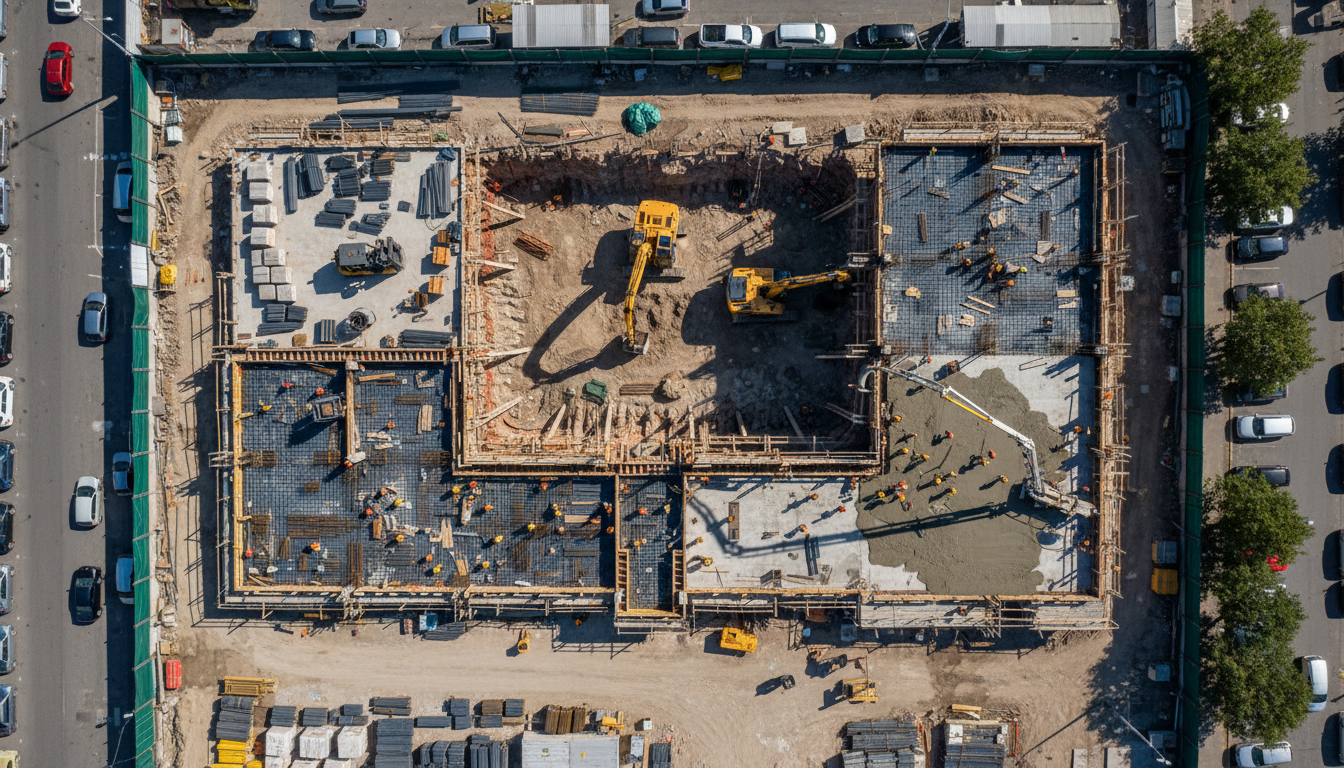
Seasonal planning is essential to align metalworking projects with the most favorable weather conditions. Understanding seasonal patterns allows for strategic scheduling, reducing the impact of harsh weather on project timelines and budgets.
For instance, planning major outdoor tasks during the drier months can minimize weather-related risks. Additionally, ensuring that all team members are aware of potential weather impacts can improve overall project efficiency.
Conclusion: Adapting to Weather Challenges
In conclusion, the weather in North Rhine-Westphalia significantly influences metalworking projects. By understanding and adapting to temperature fluctuations, humidity levels, and rainfall, businesses can mitigate risks and enhance project outcomes. Proactive planning and the use of appropriate technologies are key to overcoming these environmental challenges.