The Essential Guide to Handy Hydraulic Jacks: Safety and Efficiency
RR
Understanding Hydraulic Jacks
Hydraulic jacks are essential tools used in various industries to lift heavy loads with ease and precision. They operate on the principle of hydraulics, which utilizes fluid pressure to generate lifting force. These jacks are commonly found in automotive, construction, and manufacturing sectors, offering a reliable solution for lifting tasks.
Types of Hydraulic Jacks
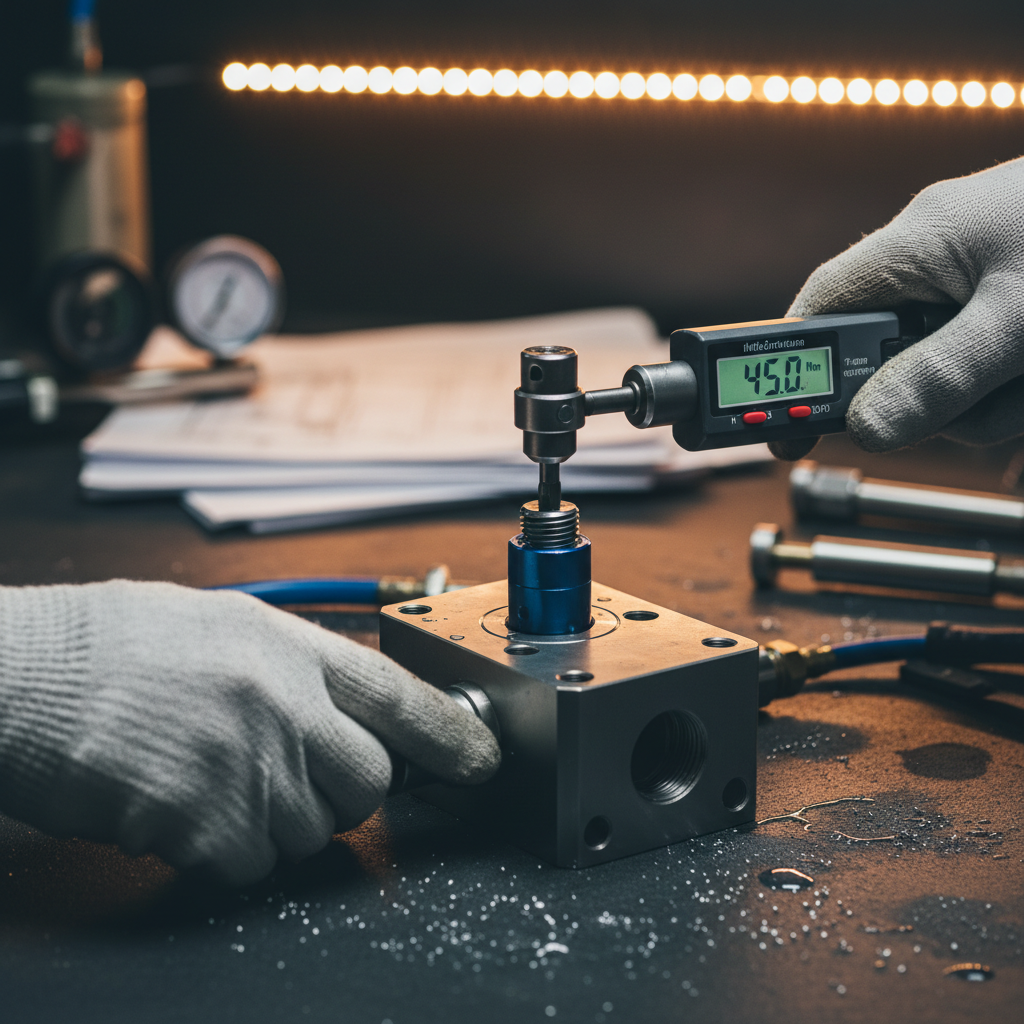
There are several types of hydraulic jacks available, each designed for specific applications. Some of the most common types include:
- Bottle Jacks: Known for their compact design, these jacks are ideal for lifting vehicles.
- Floor Jacks: Often used in garages, they provide greater stability and a wider range of motion.
- Scissor Jacks: Lightweight and portable, perfect for emergency roadside tire changes.
Safety Precautions
Safety is paramount when using hydraulic jacks. Here are some crucial safety tips to consider:
- Inspect Before Use: Always check for any signs of damage or wear before operating the jack.
- Use Correct Capacity: Ensure the jack's capacity matches or exceeds the weight of the load.
- Stabilize the Load: Make sure the load is stable and secure before lifting.
Operating Techniques
Proper operation of hydraulic jacks not only ensures safety but also enhances efficiency. Here are some techniques to follow:
- Position Correctly: Place the jack on a flat, stable surface to prevent tipping.
- Lift Gradually: Use slow, steady movements to lift the load to avoid sudden shifts.
- Lower Carefully: Release pressure gradually to lower the load safely.
Maintenance Tips
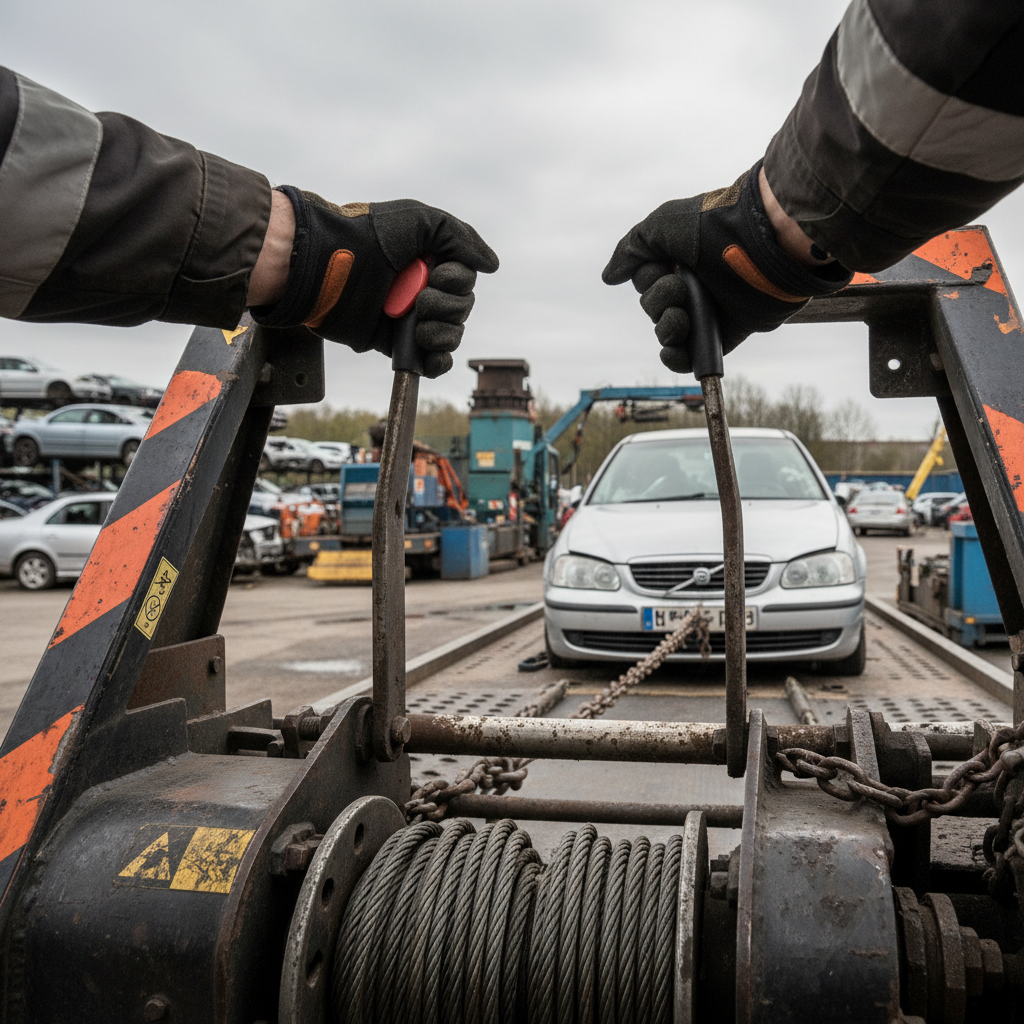
Regular maintenance of hydraulic jacks can extend their lifespan and ensure reliable performance. Key maintenance tasks include:
- Check Fluid Levels: Ensure hydraulic fluid is at the recommended level to maintain efficiency.
- Inspect Seals: Look for leaks or damaged seals and replace them as necessary.
- Lubricate Moving Parts: Keep all moving parts well-lubricated to reduce friction and wear.
Choosing the Right Hydraulic Jack
Selecting the appropriate hydraulic jack depends on various factors, such as load weight and lifting height. Consider the following when making your choice:
- Capacity: Ensure the jack can handle the maximum weight of the load.
- Height Range: Check the minimum and maximum lifting height required for your tasks.
- Portability: Consider the weight and size if you need a portable solution.
Conclusion
Hydraulic jacks are indispensable tools that combine safety and efficiency for lifting heavy objects. By understanding the different types, adhering to safety guidelines, and maintaining them properly, you can maximize their utility and lifespan. Whether you're a professional mechanic or a DIY enthusiast, having the right hydraulic jack can make all the difference in your projects.