Expert Tips for Using Handy Hydraulic Jacks and Punchers Safely
RR
Understanding Hydraulic Jacks and Punchers
Hydraulic jacks and punchers are essential tools in many industries, allowing for precise lifting and punching tasks with minimal effort. These tools operate using hydraulic power, which means they can exert a significant amount of force. While highly effective, they must be used with caution to ensure safety and efficiency on the job.
Before using these tools, it's crucial to understand their mechanics. Hydraulic jacks use pressurized fluid to lift heavy loads, while hydraulic punchers cut through metal or other materials with ease. Both tools rely on proper technique and maintenance to function safely.
Pre-Operation Safety Checks
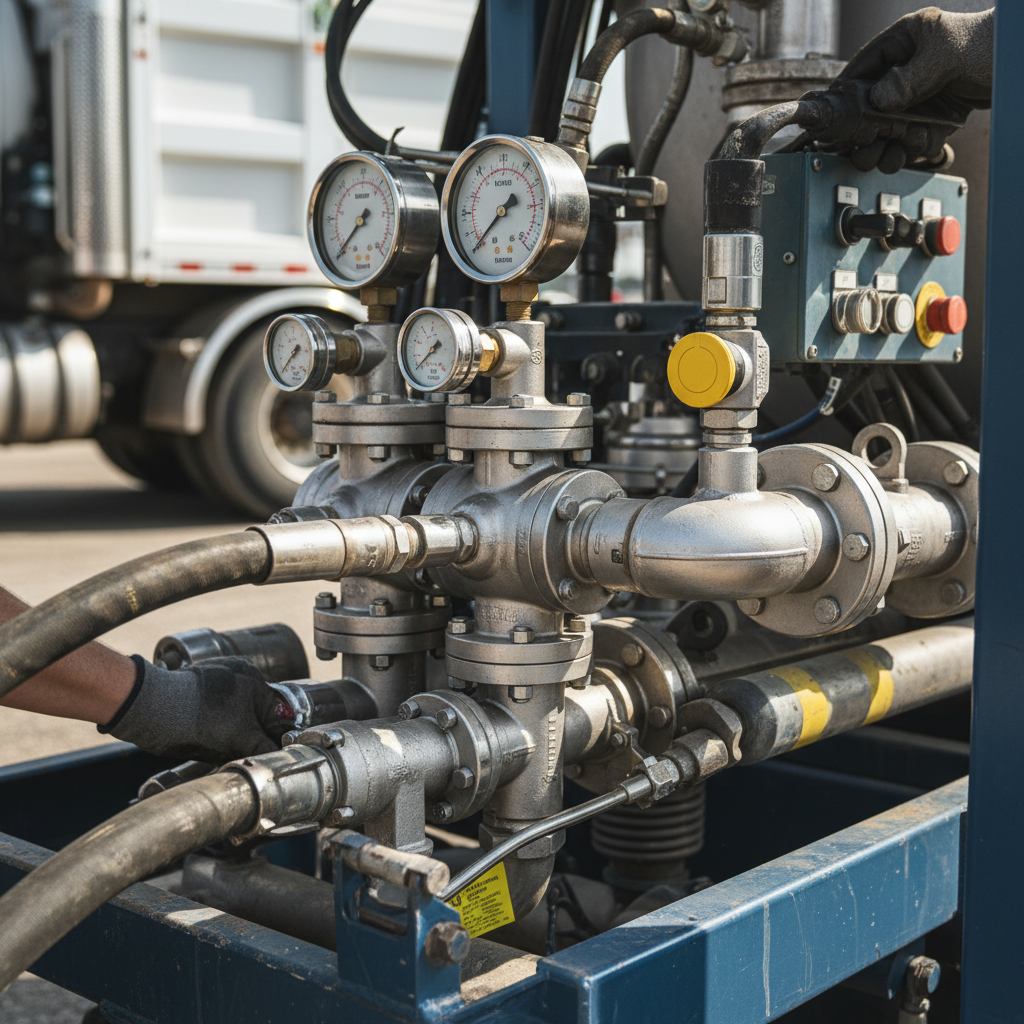
Before operating any hydraulic equipment, conducting a thorough safety check is vital. Start by inspecting the tool for any visible damage or wear. Look for leaks in the hydraulic system, as these can lead to reduced effectiveness or complete failure.
Check all connections and ensure they are secure. Loose connections can cause sudden pressure drops, leading to dangerous situations. Additionally, verify that the tool is compatible with the task at hand. Using the right tool for the job not only enhances safety but also improves efficiency.

Personal Protective Equipment (PPE)
Always wear appropriate personal protective equipment while using hydraulic jacks and punchers. This includes gloves, safety goggles, and steel-toed boots. PPE protects you from potential hazards such as flying debris or accidental contact with the tool.
Operating Techniques for Safe Use
Once safety checks are complete, focus on proper operating techniques. For hydraulic jacks, ensure the load is centered and stable before lifting. Never exceed the jack's weight capacity, as this can lead to equipment failure.
When using hydraulic punchers, maintain a firm grip and apply steady pressure. Avoid sudden movements that can cause the puncher to slip or malfunction. Always keep your hands and other body parts clear of the punching area.
Maintenance and Storage
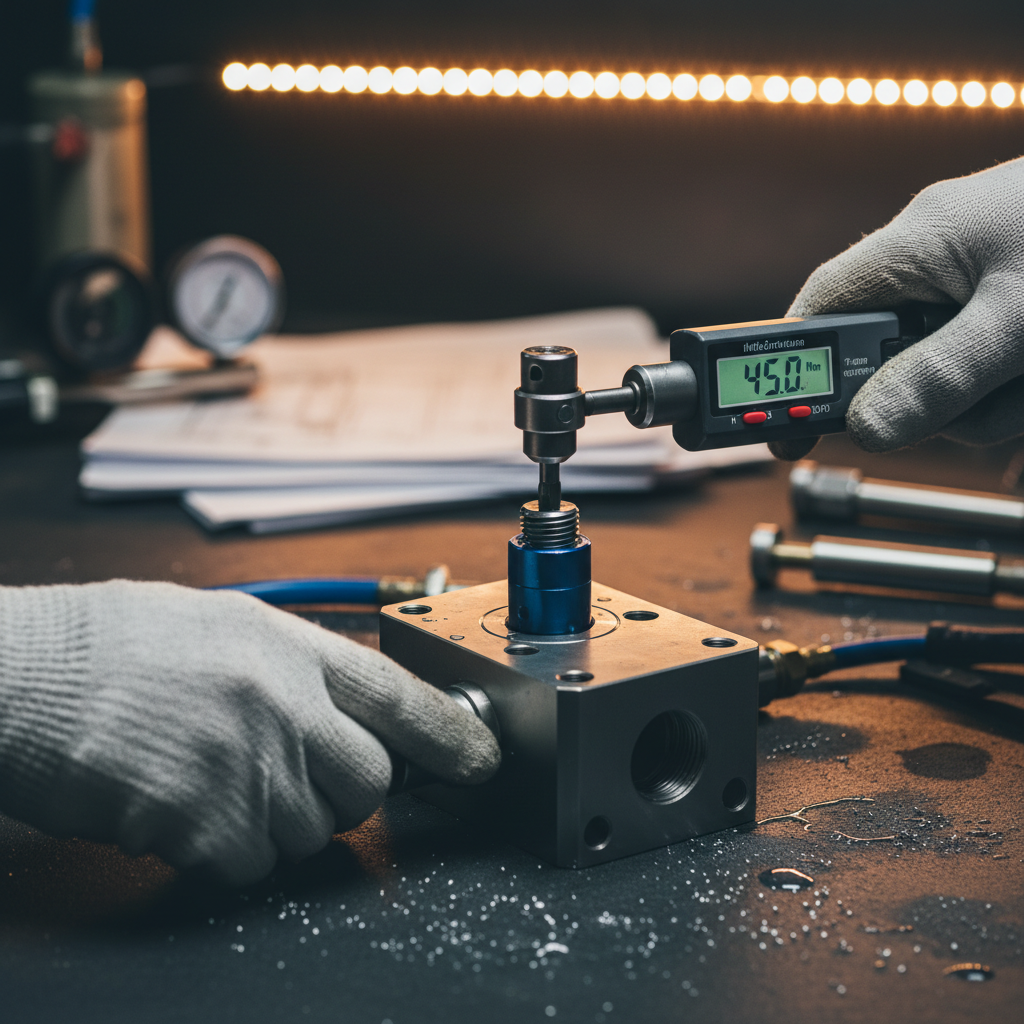
Regular maintenance is essential for keeping hydraulic tools in optimal condition. After each use, clean the equipment and check for any signs of wear or damage. Replace any worn-out parts immediately to prevent future issues.
Proper storage is equally important. Store hydraulic jacks and punchers in a dry, secure location away from direct sunlight. This prevents rust and other environmental damage, extending the life of your tools.
Training and Certification
Proper training is crucial for anyone operating hydraulic equipment. Many companies offer certification programs that teach safe handling and operation techniques. Investing in training ensures that users are well-prepared to handle these powerful tools safely.
Regularly updating training is also important. As technology evolves, new techniques and safety measures may become necessary. Staying informed helps prevent accidents and promotes a safe working environment.

Conclusion
Using hydraulic jacks and punchers safely requires a combination of proper equipment knowledge, safety checks, and operating techniques. By following expert tips and ensuring ongoing training, you can maximize the effectiveness of these tools while minimizing the risk of accidents.