Comparing Magnet Drills: Which One is Right for Your Project?
RR
When it comes to drilling through metal, a magnet drill is an essential tool for professionals and DIY enthusiasts alike. Whether you're working on construction projects, metal fabrication, or heavy-duty repairs, choosing the right magnet drill can make all the difference. But with so many options on the market, how do you know which one is right for your project? This guide will help you compare and choose the ideal magnet drill for your needs.
Understanding Magnet Drills
Magnet drills, also known as mag drills, are portable machines equipped with an electromagnet or permanent magnet base. This allows them to adhere to metal surfaces, providing stability and precision during drilling. They are particularly useful for drilling in steel or other ferrous materials, making them indispensable in many industrial and construction environments.
Mag drills are available in various sizes, power capacities, and features. Understanding these differences is key to selecting the right tool for your specific requirements.
Power and Performance
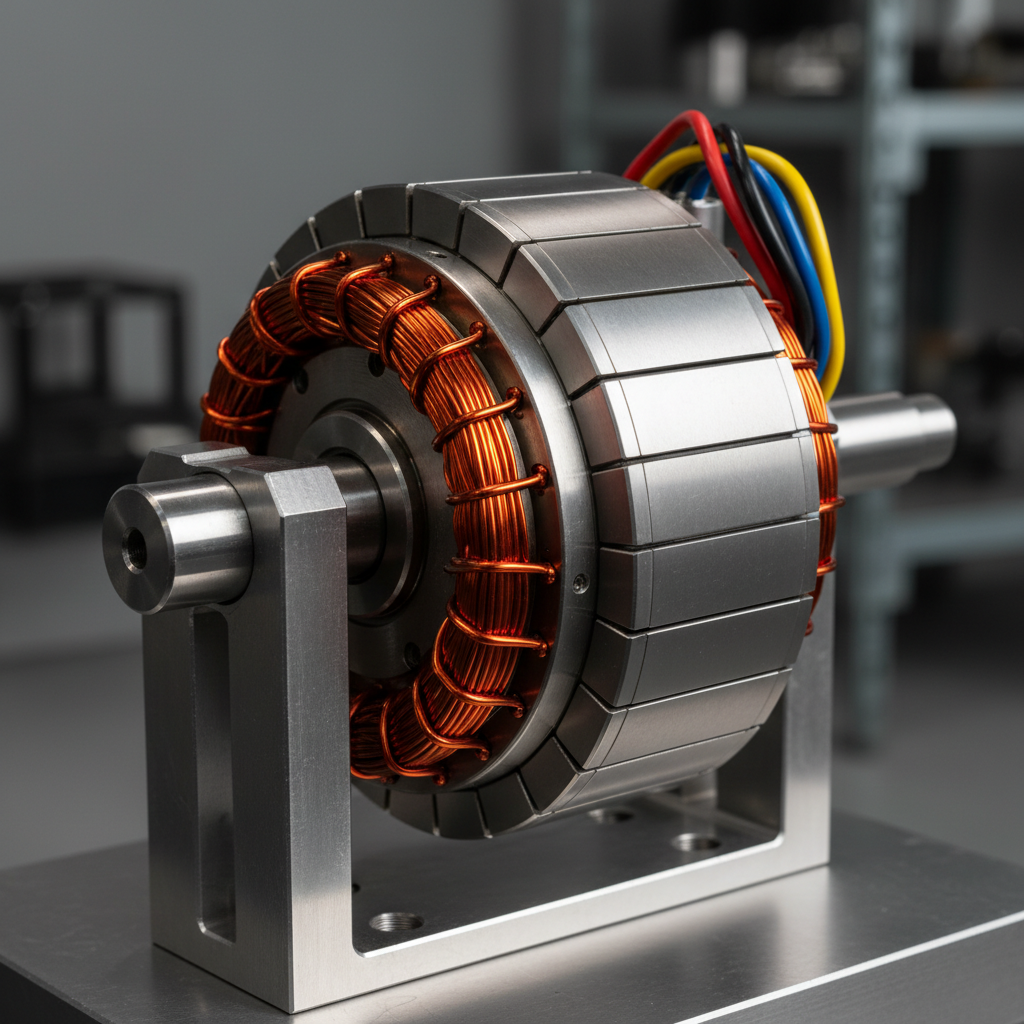
The power of a magnet drill is often measured in terms of its motor capacity, typically ranging from 5 to 20 amps. For lighter applications, a drill with lower amperage may suffice. However, for heavy-duty tasks, you will need a more powerful motor to ensure efficiency and speed.
Additionally, consider the drill's RPM (revolutions per minute). Higher RPMs provide faster drilling but may require more control to prevent overheating. It's essential to match the drill's power to the material and thickness you are working with.
Drill Types
There are two main types of magnet drills: electromagnetic and permanent magnet. Electromagnetic drills rely on electricity to activate the magnet, offering adjustable magnetic force. Permanent magnet drills do not require electricity for the magnet but may provide less flexibility in terms of magnetic strength. Your choice will depend on your work environment and power availability.
Portability and Ease of Use
Portability is a crucial factor, especially if your projects require mobility on-site. Lightweight and compact designs are easier to maneuver and transport, but they might compromise on power. Weigh the importance of portability against the power you need for your projects.
Ease of use is also paramount. Look for features like ergonomic handles, intuitive controls, and quick-change drill bits. These features can significantly enhance productivity and reduce fatigue during extended use.
Safety Features
Safety should never be overlooked. Some drills come with built-in safety features such as overload protection and automatic shut-off to prevent accidents. These are particularly important if the drill will be used in high-risk environments or by multiple operators.

Budget Considerations
Magnet drills can vary widely in price, from budget-friendly options to high-end models. While it's tempting to opt for a cheaper model, investing in a higher-quality drill can pay off in the long run with better performance and durability. Consider the total cost of ownership, including maintenance and potential repairs.
It's also wise to look for warranties and customer support options. A reliable manufacturer will offer good value through comprehensive service and support.
Conclusion
Choosing the right magnet drill involves careful consideration of your specific project needs, including power, portability, safety, and budget. By understanding these factors and comparing different models, you can select a drill that enhances your efficiency and effectiveness on the job. Investing time in selecting the right tool will ultimately save you time and effort in your projects.