Comparing Magnet Drills: How to Choose the Best for Your Needs
RR
When it comes to precision drilling, especially in industrial settings, magnet drills are indispensable tools. Known for their power and accuracy, these drills are perfect for heavy-duty tasks. However, with so many options available, selecting the right one for your needs can be challenging. This guide will help you compare magnet drills and choose the best one for your specific requirements.
Understanding Magnet Drills
Magnet drills, also known as mag drills, are portable machines used for drilling holes in metals. They feature a magnetic base that adheres to the metal surface, providing stability during operation. This is particularly useful for vertical or overhead drilling tasks.
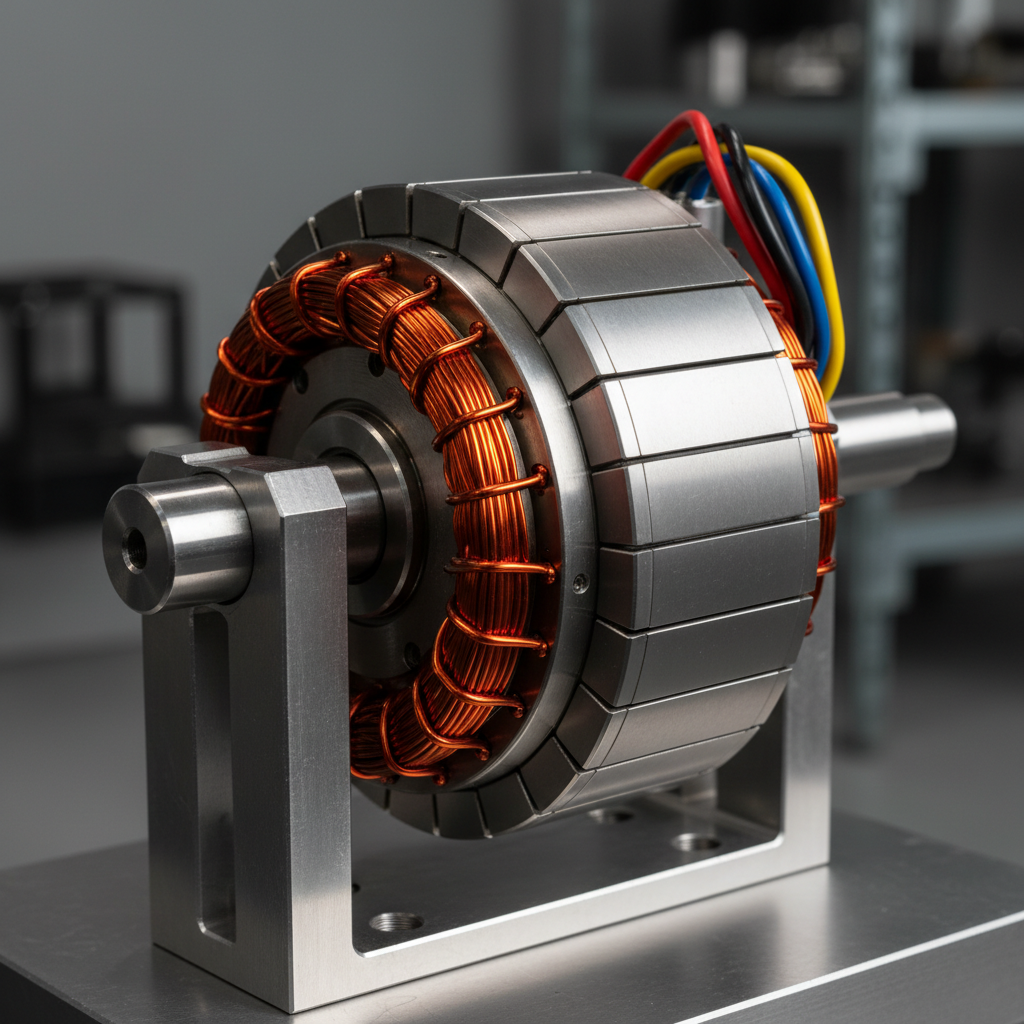
Types of Magnet Drills
There are several types of magnet drills, each designed for different tasks:
- Electric Magnet Drills: Powered by electricity, these drills are versatile and suitable for most general applications.
- Pneumatic Magnet Drills: Ideal for environments where electric sparks could be hazardous, such as oil and gas industries.
- Hydraulic Magnet Drills: Known for their high power and efficiency, these are often used in heavy industrial applications.
Key Features to Consider
When choosing a magnet drill, consider the following features to ensure it meets your needs:
Drilling Capacity
The drilling capacity indicates the maximum diameter and depth the drill can handle. Ensure the drill you choose can accommodate the size of the holes you need to create.
Magnetic Strength
The magnetic base's strength is crucial for stability. A stronger magnet provides better adherence, especially on thinner metals. Look for drills with variable magnetic force settings for versatility.
Power and Speed
The motor's power and the drill's speed settings are vital for efficient operation. More powerful motors can handle tougher materials, while variable speed settings allow for precision in different applications.
Portability and Weight
Consider the drill's weight and portability, especially if you need to move it frequently or use it in various locations. Lightweight models are easier to handle but may sacrifice some power or features.
Safety Features
Safety should always be a priority. Look for models with built-in safety features such as overload protection, safety guards, and automatic shut-off functions to prevent accidents and prolong the tool's lifespan.
Conclusion
Choosing the right magnet drill involves evaluating various factors, including the type of drill, key features, and specific requirements of your projects. By understanding these aspects, you can select a magnet drill that enhances productivity and ensures precision in your tasks.