Cologne's Best Practices for Using Hydraulic Jacks Safely
RR
Hydraulic jacks are indispensable tools in various industries for lifting heavy loads with ease. However, to ensure safety and efficiency, it's crucial to follow best practices when using them. In Cologne, professionals have developed certain guidelines that can serve as a model for safe operation.
Understanding Hydraulic Jacks
Before using a hydraulic jack, it's essential to understand its components and functions. Hydraulic jacks use a fluid-driven mechanism to lift loads, making them more efficient than mechanical jacks. Understanding how they work can help operators avoid misuse and potential accidents.
Operators should familiarize themselves with the different types of jacks, such as bottle jacks and floor jacks, and choose the right one based on the task at hand. Each type has its specific use case and capacity.
Pre-Use Inspection
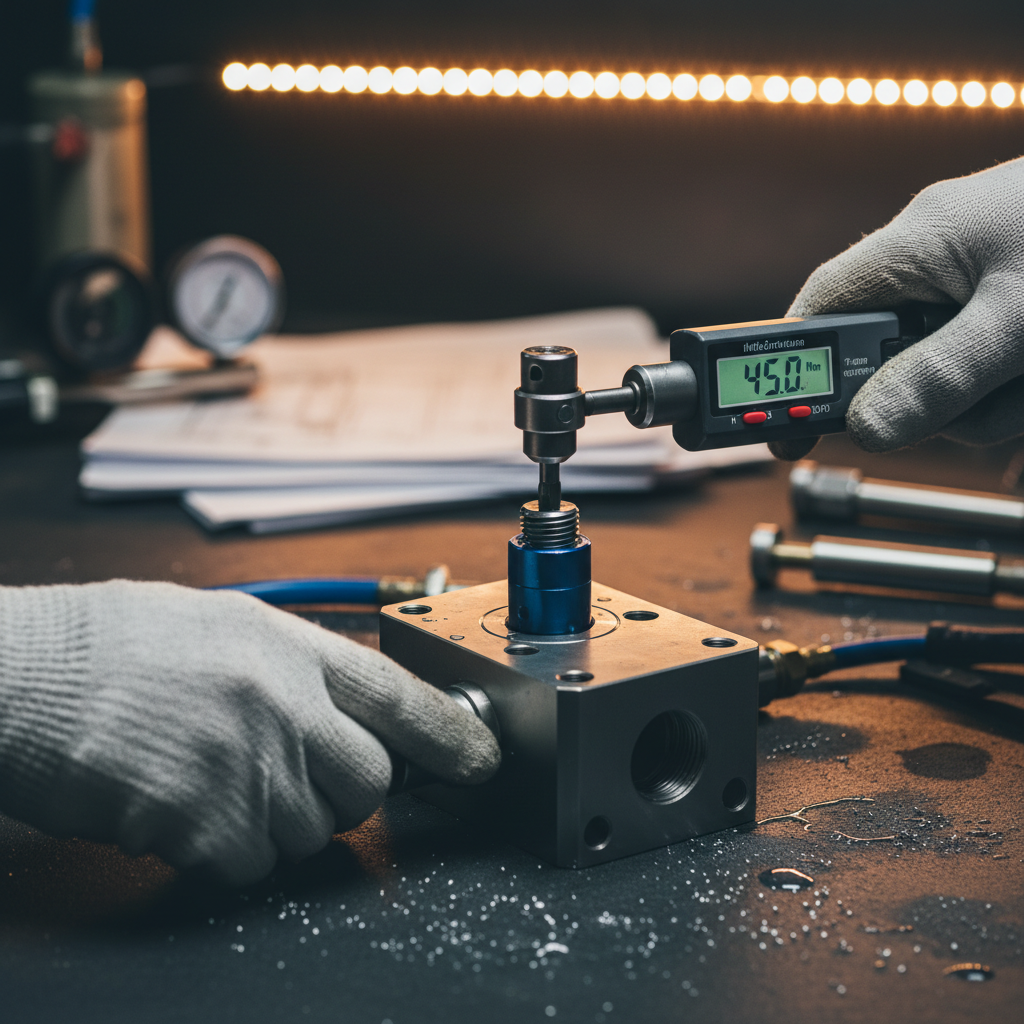
Conducting a thorough inspection before using a hydraulic jack is a crucial step in ensuring safety. Check for any signs of wear and tear, such as leaks, cracks, or rust. Inspect the jack's components, including the pump, cylinder, and handle, to ensure they are in good working condition.
Make sure to verify the jack's load capacity and ensure it matches or exceeds the weight of the load to be lifted. Overloading a jack can lead to catastrophic failure and pose significant safety risks.
Inspecting the Surface
Before positioning the jack, inspect the surface where it will be placed. Ensure it's stable, flat, and free of debris. An uneven or slippery surface can cause the jack to tilt or slip during operation, jeopardizing safety.

Proper Positioning and Operation
Position the jack directly under the load's lifting point. Ensure the load is balanced and securely positioned to prevent shifting during lifting. Use jack stands to support the load once lifted, never relying solely on the hydraulic jack.
When operating the jack, use smooth, controlled movements to pump the handle. Avoid sudden jerks or rapid movements that could destabilize the load or cause damage to the jack.
Team Communication
If working in a team, establish clear communication to coordinate lifting and ensure everyone is aware of the procedure. Miscommunication can lead to errors and accidents, so it's vital to have a predefined protocol.

Post-Use Maintenance
After using the hydraulic jack, proper maintenance is essential to prolong its lifespan and ensure safety. Clean the jack of any dirt or debris and store it in a dry, secure location. Regularly check fluid levels and replace hydraulic fluid as needed to maintain optimal performance.
Inspect the jack for any signs of damage after each use, and address any issues promptly to prevent future failures. Keeping a maintenance log can also be beneficial for tracking performance and identifying recurring issues.
Training and Education
Continuous training and education are vital for anyone operating hydraulic jacks. Staying informed about the latest safety protocols and technological advancements can enhance safety and efficiency. Consider enrolling in workshops or courses to stay updated on best practices.
By following these best practices, individuals and teams in Cologne and beyond can use hydraulic jacks safely and effectively, minimizing risks and maximizing productivity.