Choosing the Right Metal Beveler: A Buyer's Guide
RR
When it comes to metalworking, choosing the right metal beveler is crucial for ensuring precision, safety, and efficiency. With a variety of options available, understanding what features to look for can make all the difference. This guide will walk you through the essential considerations to help you make an informed decision.
Understanding Your Needs
The first step in selecting a metal beveler is to understand your specific needs. Consider the type of projects you typically work on and the materials you use. Are you working with aluminum, steel, or another type of metal? Each material may require different beveling techniques or tools.
Additionally, think about the thickness of the metal. Thicker metals may require more powerful bevelers, while thinner materials might be suited to lighter, more precise tools.
Types of Metal Bevelers
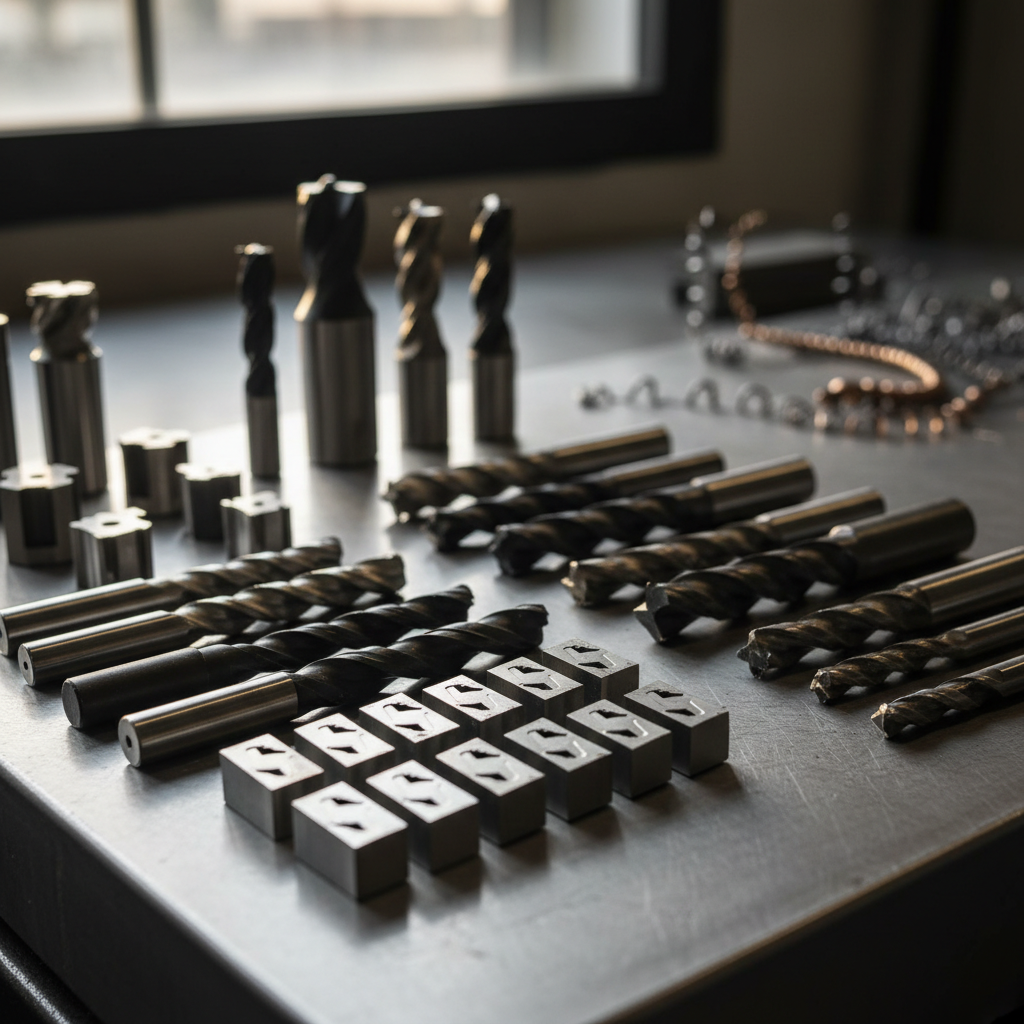
There are several types of metal bevelers to choose from, each offering unique benefits:
- Manual Bevelers: Ideal for small projects and budgets, manual bevelers are easy to use but require more physical effort.
- Electric Bevelers: These are perfect for medium to large projects, providing consistent power and precision.
- Pneumatic Bevelers: Powered by compressed air, these are often used in industrial settings for their speed and power.
Consider the scale and frequency of your projects to determine which type is best for you.
Key Features to Look For
When evaluating metal bevelers, certain features can significantly impact performance. Here are some to consider:
- Power and Speed: Ensure that the beveler has enough power and speed settings to handle your specific metal thickness and type.
- Adjustability: Look for tools that offer adjustable angles to accommodate different beveling needs.
- Portability: If you need to move the tool frequently, consider its weight and ease of transport.
Safety Considerations
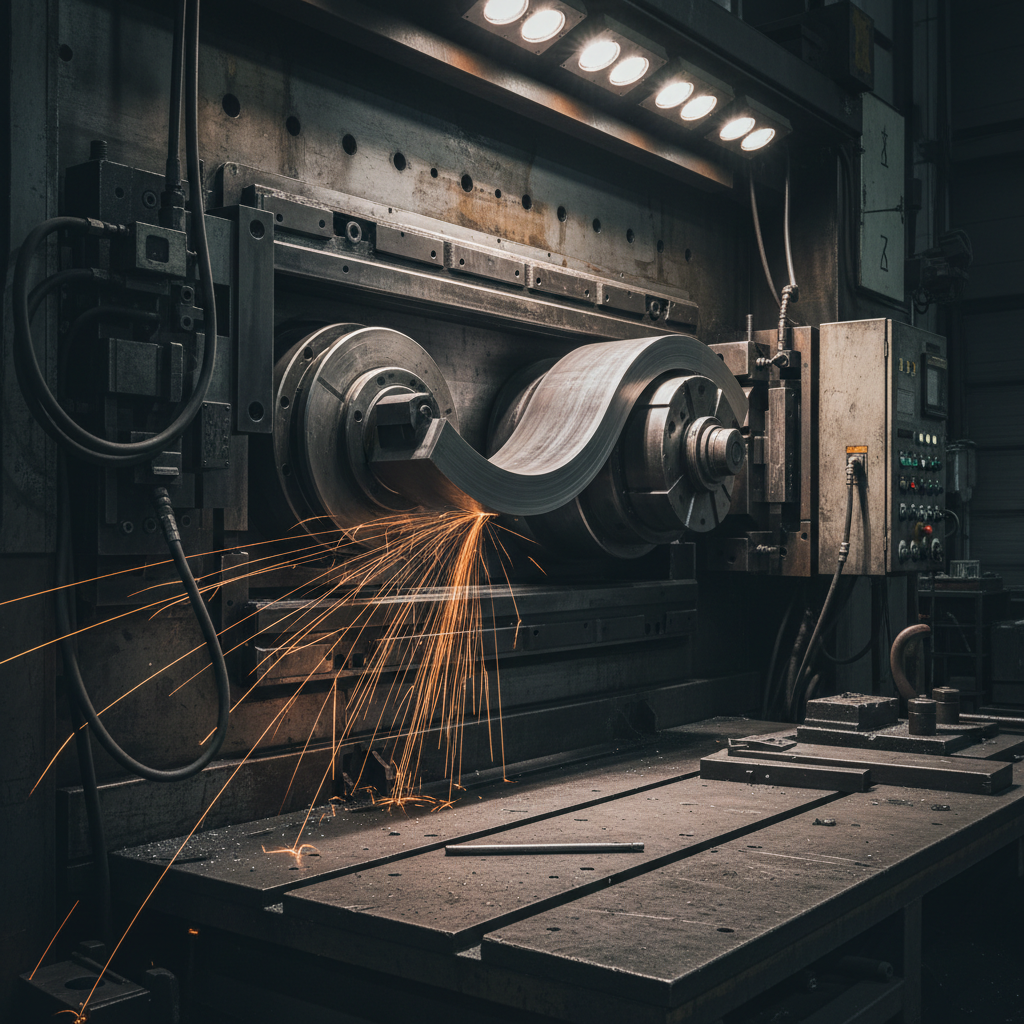
Safety should always be a top priority. Look for bevelers with safety features such as automatic shut-off, protective guards, and anti-vibration handles. Proper training and protective gear are also essential to prevent accidents.
Regular maintenance of your beveler will also ensure its longevity and safe operation. Follow the manufacturer's guidelines for cleaning and servicing.
Budget and Brand
Your budget will play a significant role in your choice. While it may be tempting to choose the cheapest option, investing in a higher-quality tool can save you money in the long run by reducing the need for replacements and repairs.
Research reputable brands known for reliability and excellent customer support. Reading reviews and seeking recommendations can provide valuable insights.

Making the Final Decision
After considering your needs, the types of bevelers available, key features, safety, and budget, it's time to make your decision. Remember that the right beveler can enhance your work quality and efficiency.
Take your time to compare options, and don't hesitate to reach out to professionals or peers for advice. With the right tool in hand, you'll be well-equipped to tackle any metalworking project with confidence.