Buyer’s Guide: Selecting the Best Power Tools for Metalwork
RR
Understanding Your Metalworking Needs
Before diving into the vast world of power tools, it's crucial to assess your specific metalworking needs. Are you a professional fabricator, a hobbyist, or someone who occasionally tackles DIY projects? Your level of expertise and the complexity of your tasks will significantly influence your tool selections.
Consider the types of metals you'll be working with. Softer metals like aluminum require different tools compared to harder metals like steel. Knowing the materials involved will help in choosing tools that are both effective and efficient.
Essential Power Tools for Metalwork
Drills and Drivers
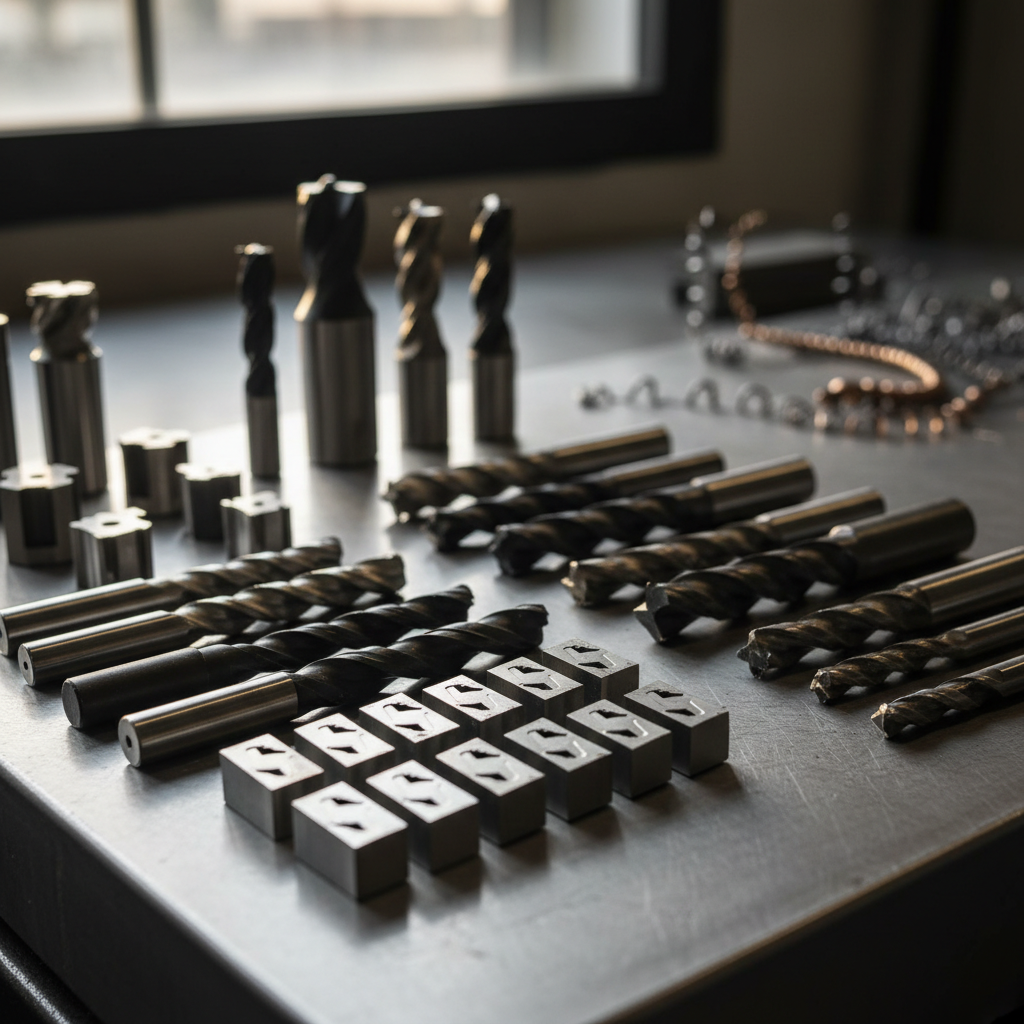
Drills are fundamental in any metalworking toolkit. When selecting a drill, look for one with variable speed settings and a powerful motor. Cordless drills offer mobility, but ensure they have sufficient torque for your tasks. Consider additional features like hammer functions for dealing with tougher materials.
Grinders
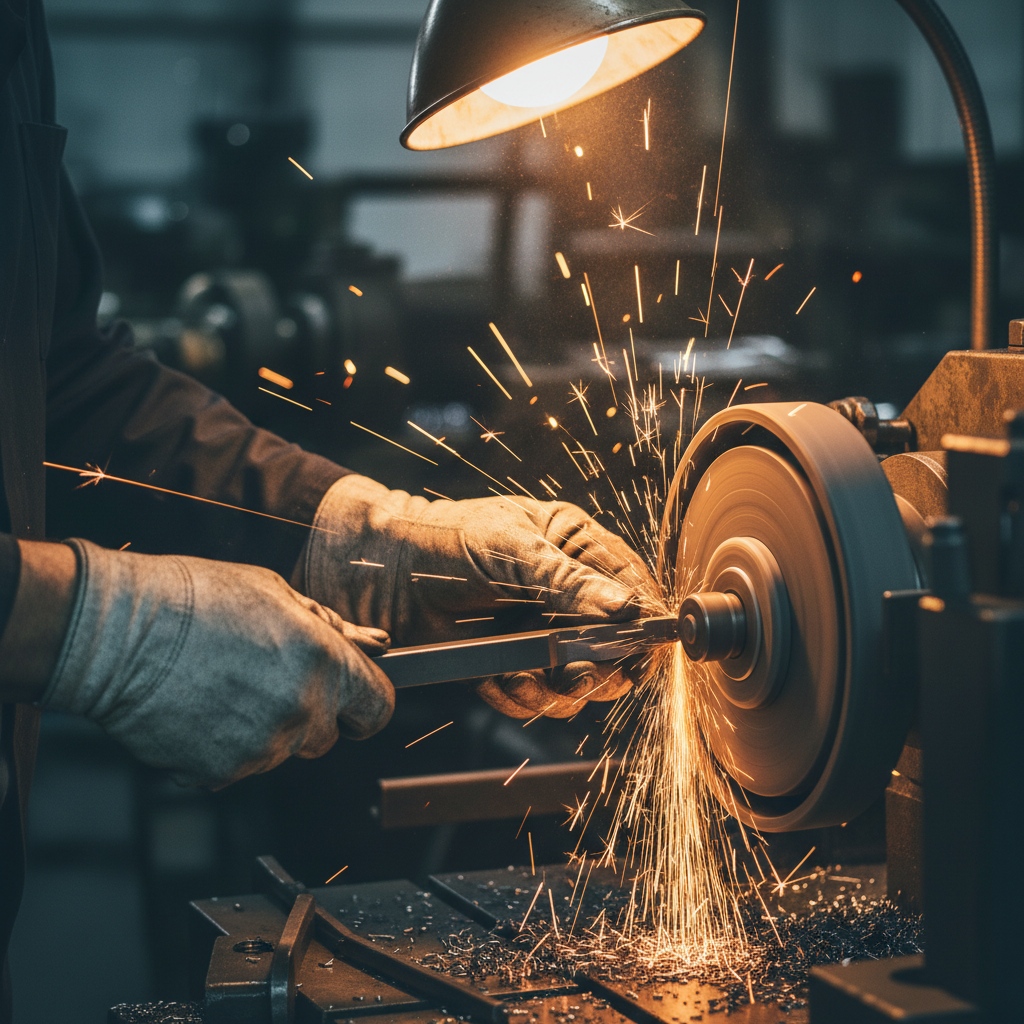
Grinders are indispensable for smoothing surfaces and cutting through metal. An angle grinder is versatile and can tackle various tasks such as cutting, grinding, and polishing. Look for models with adjustable guards and handles for added safety and comfort.
Saws
Metal cutting saws come in various forms, including circular saws, band saws, and reciprocating saws. Each type serves different functions—circular saws are great for straight cuts, while band saws allow for intricate shapes. Choose a saw that fits your specific project requirements.
Key Features to Consider
When shopping for power tools, consider the following features:
- Power and Speed: Ensure the tool has adequate power for the metal thickness you'll encounter.
- Ergonomics: Look for tools with comfortable grips and balanced weight to reduce fatigue.
- Durability: Opt for tools with robust construction to withstand rigorous use.

Safety Considerations
Safety should never be an afterthought when working with power tools. Always wear protective gear, such as goggles, gloves, and ear protection. Ensure your workspace is well-lit and free from clutter. Familiarize yourself with each tool's safety features and read the manual thoroughly.
Maintaining Your Tools
Proper maintenance extends the life of your tools and ensures optimal performance. Regularly clean your tools after use, check for any signs of wear, and lubricate moving parts as necessary. Store them in a dry, safe place to prevent rust and damage.
By investing in the right power tools and following these guidelines, you'll enhance your metalworking projects and achieve professional results. Happy crafting!